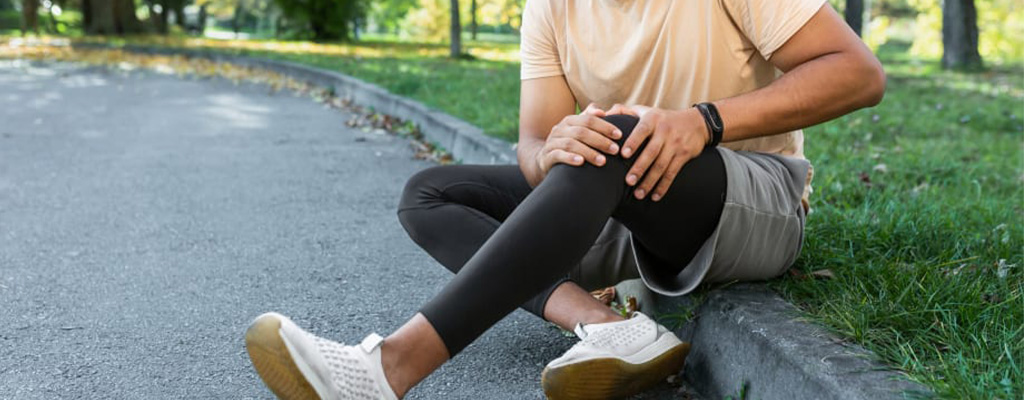
Knee pain is one of the most common complaints that brings people through our doors — and one of the most treatable. Whether your knee has been bothering you for days or years, physiotherapy offers proven solutions to help you move better, hurt less, and get back to doing what you love.
Understanding Knee Pain
Knee pain can occur for many reasons — an acute injury like a sprain or tear, a chronic condition like osteoarthritis, or overuse from repetitive activities. Regardless of the cause, the discomfort can interfere with your daily life, limiting your ability to walk, climb stairs, exercise, or even rest comfortably.
The knee is the largest joint in the body and one of the most complex. It relies on a careful balance of muscles, ligaments, tendons, and cartilage to function correctly. When any of these structures are compromised — through injury, wear, weakness, or imbalance — pain and dysfunction often follow.
Common Causes of Knee Pain
- Osteoarthritis — gradual breakdown of cartilage in the knee joint
- Patellofemoral pain syndrome — pain around or behind the kneecap, often called “runner’s knee”
- Ligament injuries — such as ACL or MCL sprains or tears
- Meniscus tears — damage to the cartilage pads that cushion the knee
- Tendinitis — inflammation of the tendons around the knee from overuse
- Bursitis — irritation of the fluid-filled sacs that cushion the joint

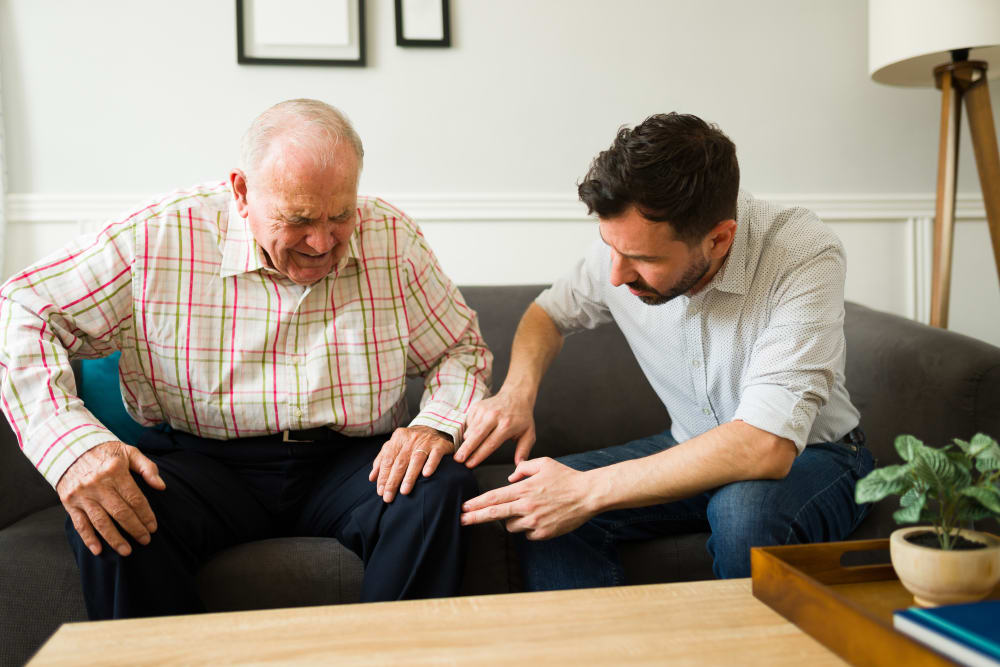
How Physiotherapy Helps Resolve Knee Pain
Physiotherapy is one of the most effective, non-invasive approaches to treating knee pain. Rather than masking symptoms, physiotherapy addresses the underlying cause — improving strength, mobility, alignment, and function so that your knee can heal and stay healthy long-term.
Strengthening the Surrounding Muscles
Weak quadriceps, hamstrings, hip flexors, and glutes all place excess stress on the knee joint. A physiotherapist will design a targeted strengthening program to correct these imbalances and better support your knee during everyday movement and activity.
Restoring Range of Motion
Stiffness following injury or surgery can significantly limit how far your knee bends or straightens. Manual therapy techniques, stretching protocols, and guided movement exercises help restore full range of motion gradually and safely.
Improving Alignment and Biomechanics
The way you walk, run, or move can significantly contribute to knee pain. A physiotherapist performs a thorough movement assessment to identify any biomechanical contributors — such as flat feet, hip weakness, or poor posture — and provides corrections to reduce stress on the knee.
Exercise of the Month
Seated Leg Extension
(Quadriceps, Knees)
Sit up straight in a chair with your feet flat on the floor. Slowly extend one leg out in front of you until it’s straight, squeezing your thigh muscle. Hold briefly, then lower it back down with control. Alternate legs or complete all reps on one side before switching. 3 Sets, 10 Reps (each leg). (Materials needed: chair)
More Ways Physiotherapy Treats Knee Pain
Manual Therapy
Hands-on techniques including joint mobilisation, soft tissue massage, and myofascial release can help reduce pain, improve circulation, and restore normal movement patterns in and around the knee. These treatments are often used in combination with exercise for the best results.
Taping and Bracing
Kinesiology taping or supportive bracing can offload stress on irritated structures, reduce swelling, and improve proprioception — your body’s sense of where your knee is in space. This can be particularly helpful during the early stages of rehabilitation or when returning to activity.
Education and Activity Modification
Understanding what aggravates your knee and how to modify your activities during recovery is a key part of physiotherapy. Your physiotherapist will work with you to keep you as active as possible while allowing the knee time to heal — so you don’t fall into a cycle of re-injury.
A Personalised Treatment Plan
No two knees are alike. At Montrose Physiotherapy and Massage, your physiotherapist will conduct a thorough assessment to understand the specific structures involved, your activity goals, and any contributing factors — then create a personalised plan designed around you. Whether you’re recovering from surgery, managing arthritis, or dealing with a sports injury, we’re here to help you move forward.
Foot Pain Prevention: Tips for Staying Active and Injury-Free This Spring
Spring is the perfect time to get back outside — walking, hiking, gardening, and enjoying everything the warmer months have to offer. But as you ramp up your activity, your feet take on a lot of extra stress. Foot pain can sideline even the most motivated person, so a little prevention goes a long way.
Choose the Right Footwear
One of the simplest and most effective ways to prevent foot pain is wearing shoes that properly support your foot type. Look for footwear with adequate arch support, cushioning, and a wide enough toe box. Replace worn-out shoes regularly — the midsole breaks down long before the outer sole shows obvious wear.
Warm Up and Stretch Before Activity
Cold, stiff tissues are more prone to injury. Before heading out for a walk or jog, spend a few minutes warming up with ankle circles, calf raises, and toe stretches. This increases blood flow to the foot and ankle and prepares the muscles and tendons for the demands ahead.
Increase Activity Gradually
After a less active winter, jumping straight into long walks or high-impact exercise puts sudden stress on the plantar fascia, Achilles tendon, and other foot structures. Follow the 10% rule: increase your weekly activity by no more than 10% at a time to give your body a chance to adapt.

Strengthen Your Foot Muscles
Many people neglect the small intrinsic muscles of the foot, yet these muscles play a critical role in arch support, balance, and shock absorption. Simple exercises like towel scrunches, toe spreads, and single-leg balance work can significantly reduce your risk of common springtime injuries like plantar fasciitis and stress fractures.
Listen to Your Body
Pain is your body’s signal that something needs attention. Don’t ignore persistent foot or heel pain — what starts as minor discomfort can quickly become a chronic problem if left untreated. If you’ve been dealing with foot pain that isn’t resolving with rest, it may be time to see a physiotherapist.
At Montrose Physiotherapy and Massage, our physiotherapy team can assess your foot mechanics, identify contributing factors, and build a plan to get you pain-free and back on your feet — ready to enjoy everything spring has to offer.
Test Your Knee & Foot Knowledge
Think you know how to protect your joints? Take our quick quiz to find out!
Healthy Recipe: Anti-Inflammatory Kale & Apple Salad
Support your joint health from the inside out with this vibrant, nutrient-packed salad. Kale is rich in vitamin K and antioxidants that support bone health, while walnuts provide omega-3 fatty acids that help reduce inflammation throughout the body.
Ingredients
- 4 cups curly kale, stems removed and finely chopped
- 1 large apple (Fuji or Honeycrisp), thinly sliced
- 1 medium beetroot, roasted and diced
- ½ cup walnuts, roughly chopped and lightly toasted
- ¼ cup raisins
- 60g goat cheese or feta, crumbled (optional)
- 3 tbsp olive oil
- 2 tbsp apple cider vinegar
- 1 tsp honey
- Salt and pepper to taste
Directions
Whisk together olive oil, apple cider vinegar, honey, salt, and pepper to make the dressing. Place the chopped kale in a large bowl and drizzle with half the dressing. Massage the kale with your hands for 1–2 minutes until it softens slightly. Add the apple slices, beetroot, walnuts, and raisins. Drizzle with remaining dressing and toss to combine. Top with crumbled cheese if using. Serve immediately or refrigerate for up to 1 day.

Ready to Move Without Pain?
Whether you’re dealing with knee pain that won’t quit, sore feet slowing you down this spring, or both — the team at Montrose Physiotherapy and Massage is here to help. Our physiotherapists take the time to understand your situation and create a personalised plan that gets results. Don’t let pain hold you back from the activities and life you enjoy.
Sources:
Knee Pain — Physiotherapy:
https://www.ncbi.nlm.nih.gov/pmc/articles/PMC4336597/
https://www.physio-pedia.com/Knee_Pain
https://www.cochranelibrary.com/cdsr/doi/10.1002/14651858.CD004376.pub3/full
Foot Pain Prevention:
https://www.ncbi.nlm.nih.gov/pmc/articles/PMC5429471/
https://www.physio-pedia.com/Plantar_Fasciitis
https://www.jospt.org/doi/10.2519/jospt.2014.0303
The information provided in this newsletter is for educational purposes only and is not intended as medical advice. Always consult a qualified healthcare professional regarding any health concerns or before starting a new exercise programme.